Children learn best when they feel connected — to their environment, their community, and the people around them.
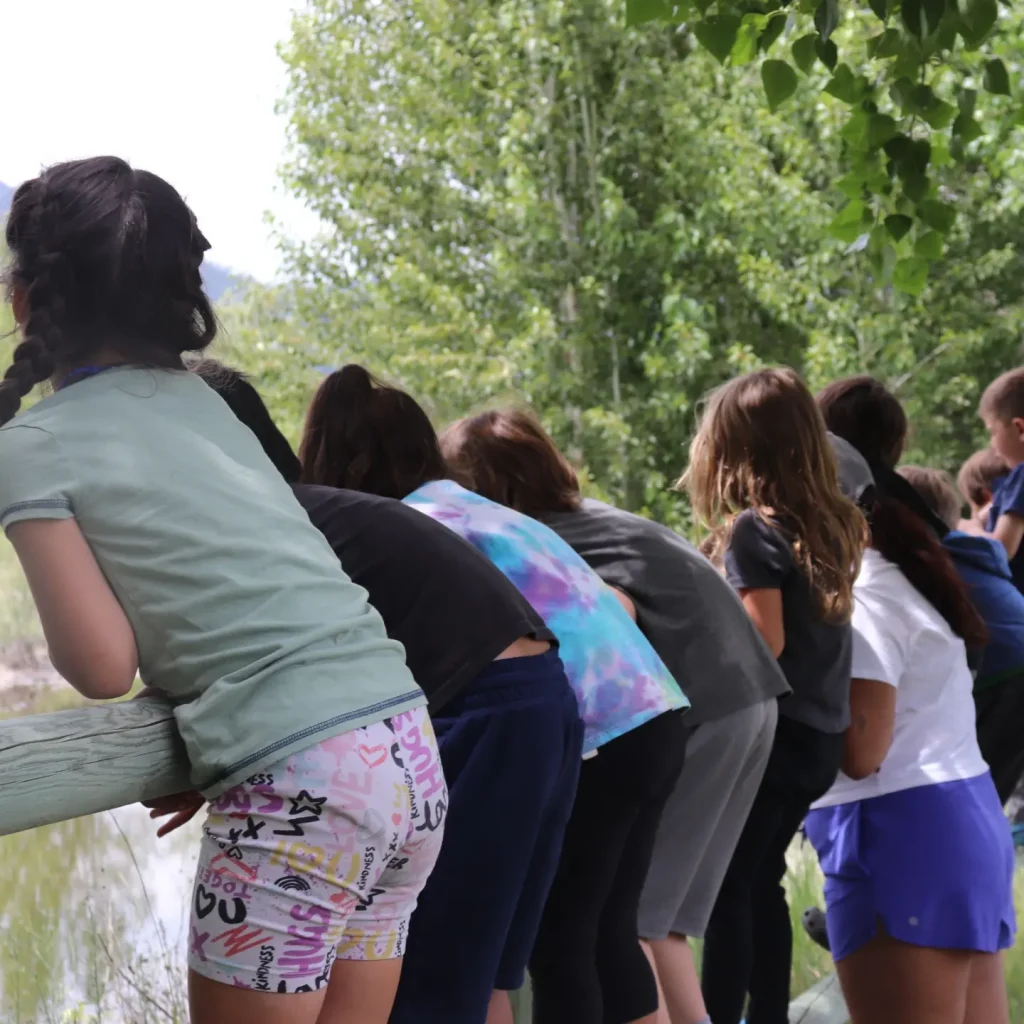
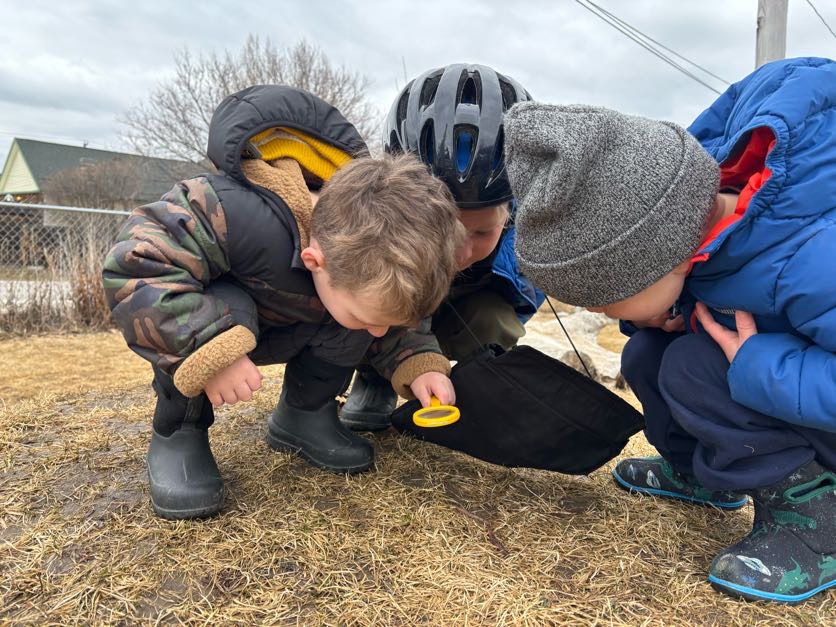
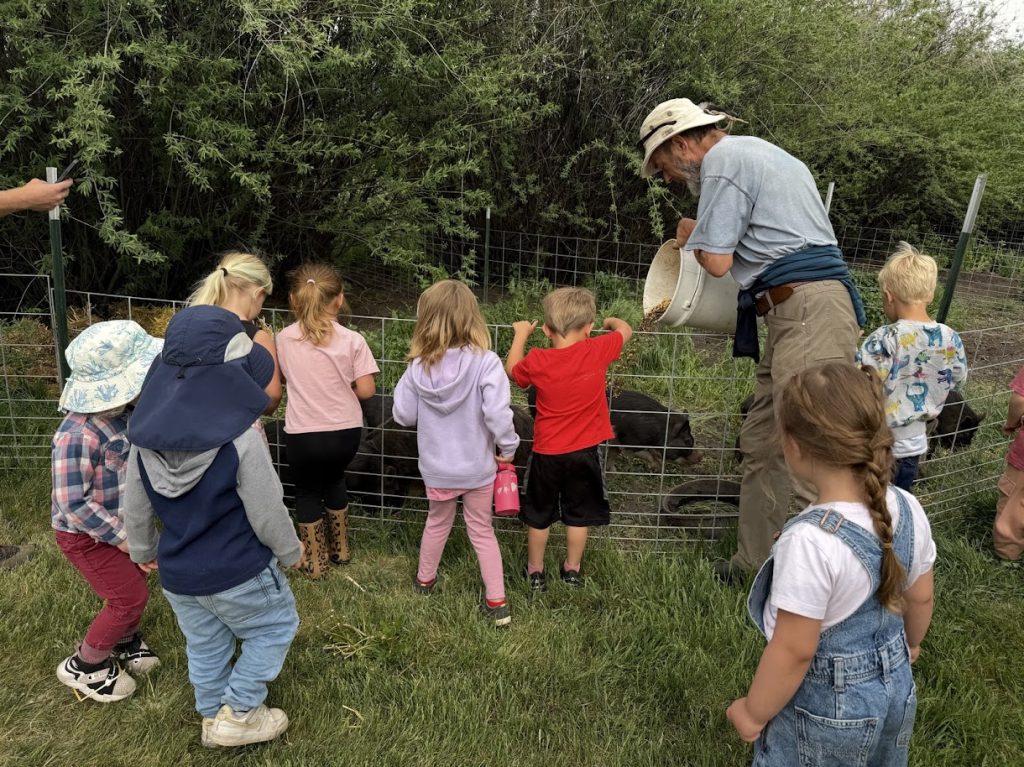
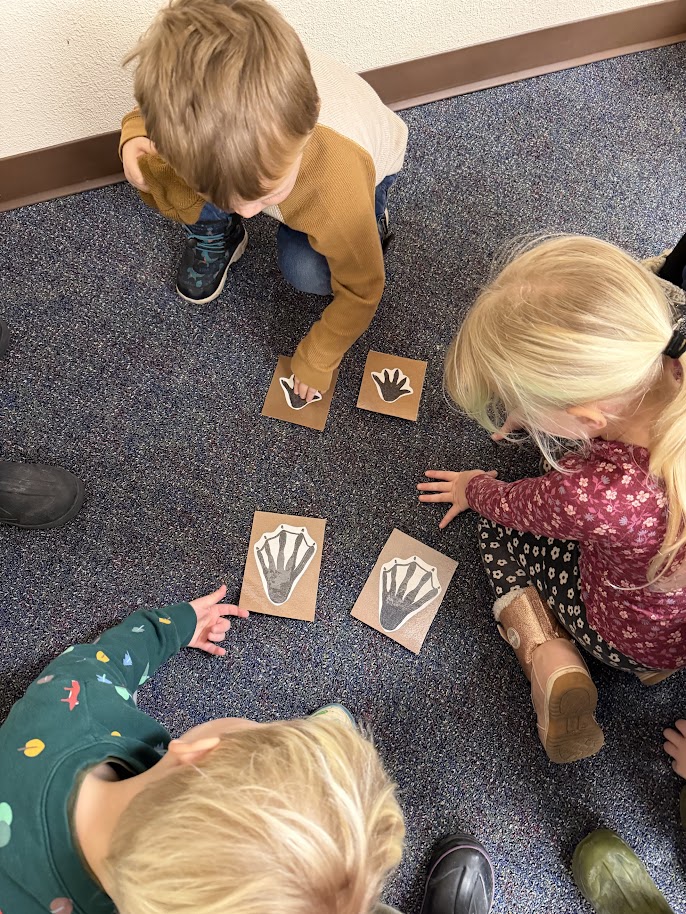
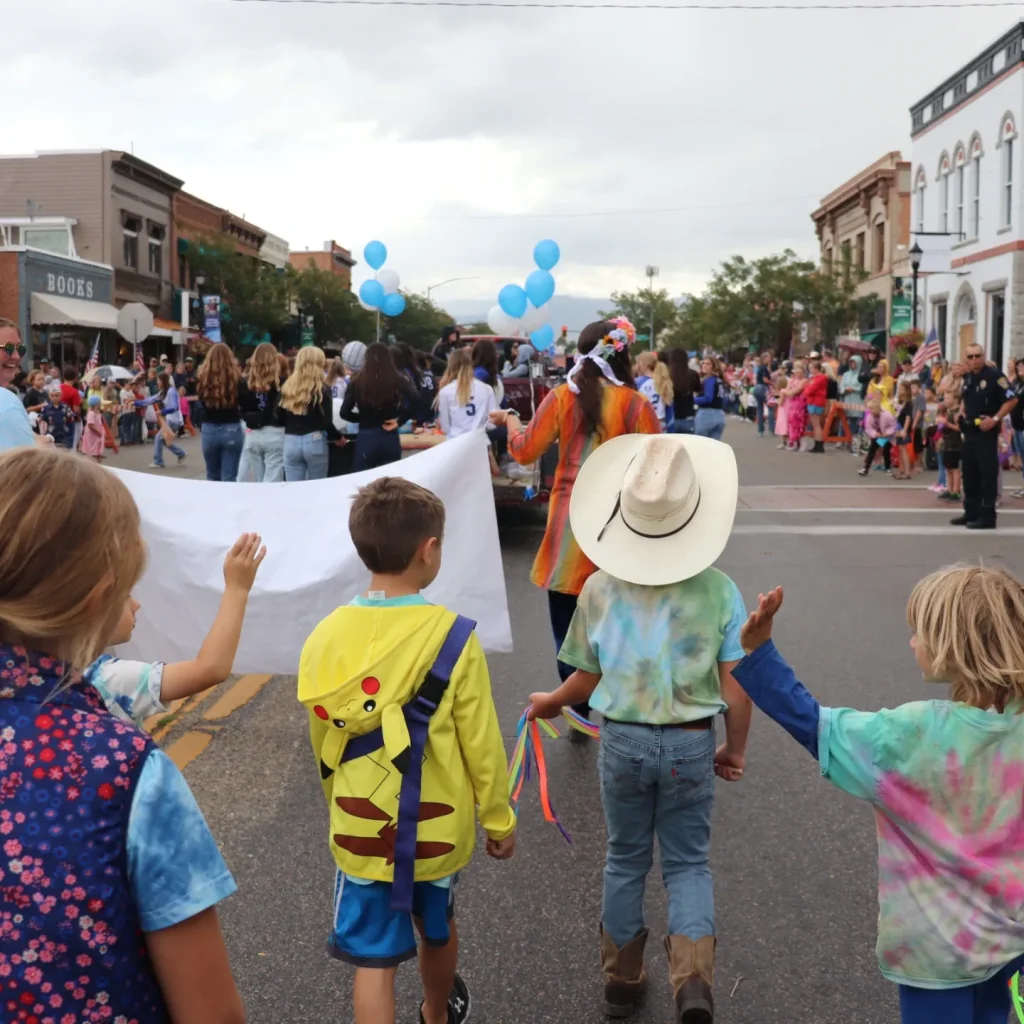
At BELN, place-based education means learning through real experiences in the world around us. Instead of learning only inside a classroom, children explore nature, build relationships, ask questions, solve problems, and discover how they are connected to their community.
In the Bitterroot Valley, learning might happen:
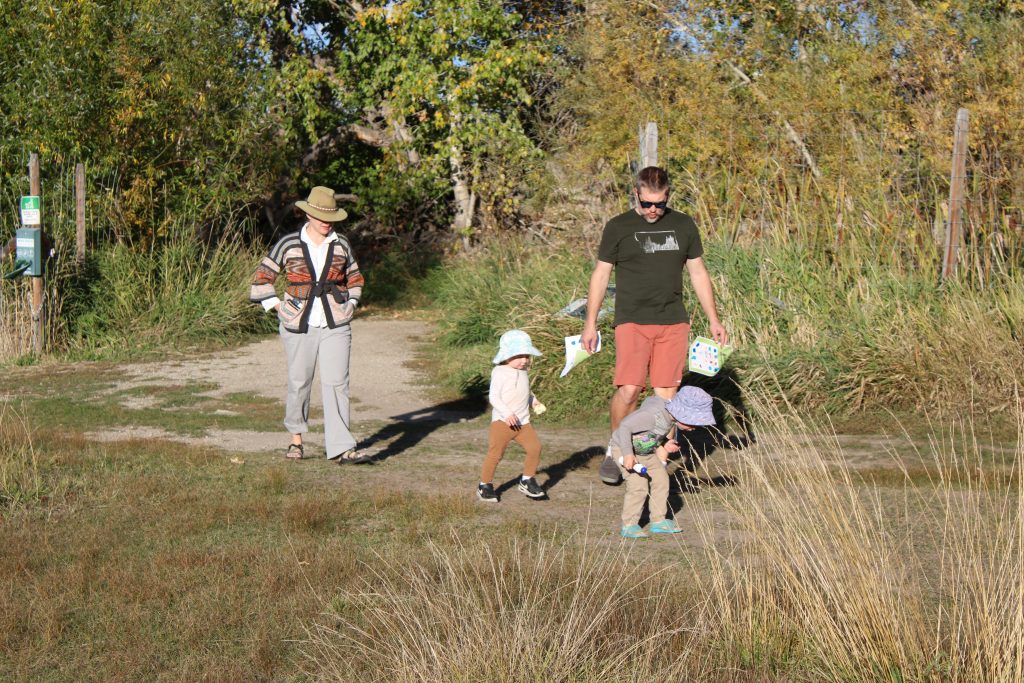
along a trail
beside a river
in a garden
during conversations with community members
while observing changing seasons
through everyday moments of curiosity and discovery
Place-based learning helps children feel grounded, confident, curious, and connected to where they live.
BELN’s Approach to Place-Based Learning
Place-based education is hands-on, relationship-centered, and rooted in real experiences.
At BELN, this may look like:
exploring local parks and trails
observing wildlife, weather, and seasonal changes
gardening and caring for outdoor spaces
creating art inspired by nature
asking questions and following children’s curiosity
building relationships with families and community members
Children are not just memorizing information — they are experiencing learning in ways that feel meaningful and alive.
Why this approach matters
Young children learn through:
exploration
relationships
play and movement
hands-on experiences
Place-based education supports the whole child by encouraging curiosity, confidence, creativity, problem-solving, emotional connection, and a sense of belonging.
Research also shows that place-based learning can strengthen:
student engagement
critical thinking
community connection
environmental awareness
long-term learning retention
Learning Through Everyday Experiences
At BELN, place-based learning reflects the unique beauty, culture, and community of the Bitterroot Valley, helping children learn not only about the world, but also about the place they call home. Through meaningful connections with nature and the people around them, children develop care, respect, responsibility, and a lifelong sense of belonging.
Learning is woven into everyday experiences:
math through cooking or gardening
science through observing nature
social-emotional growth through relationships and collaboration
This approach makes education hands-on, relevant, and deeply connected to children’s lives.
Learn More About Place based education
For families and educators interested in exploring this philosophy further: